Duck vs. chicken eggs
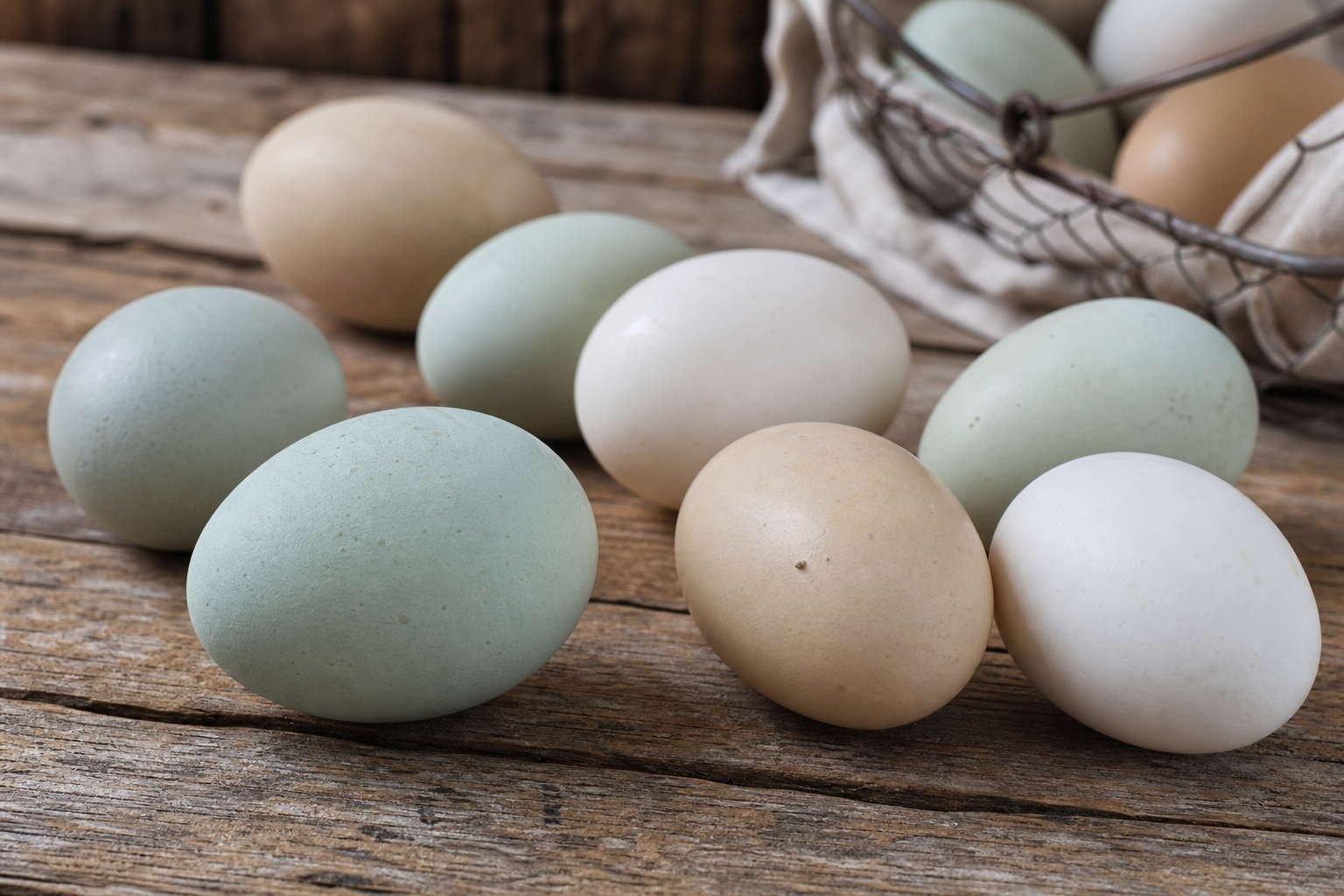
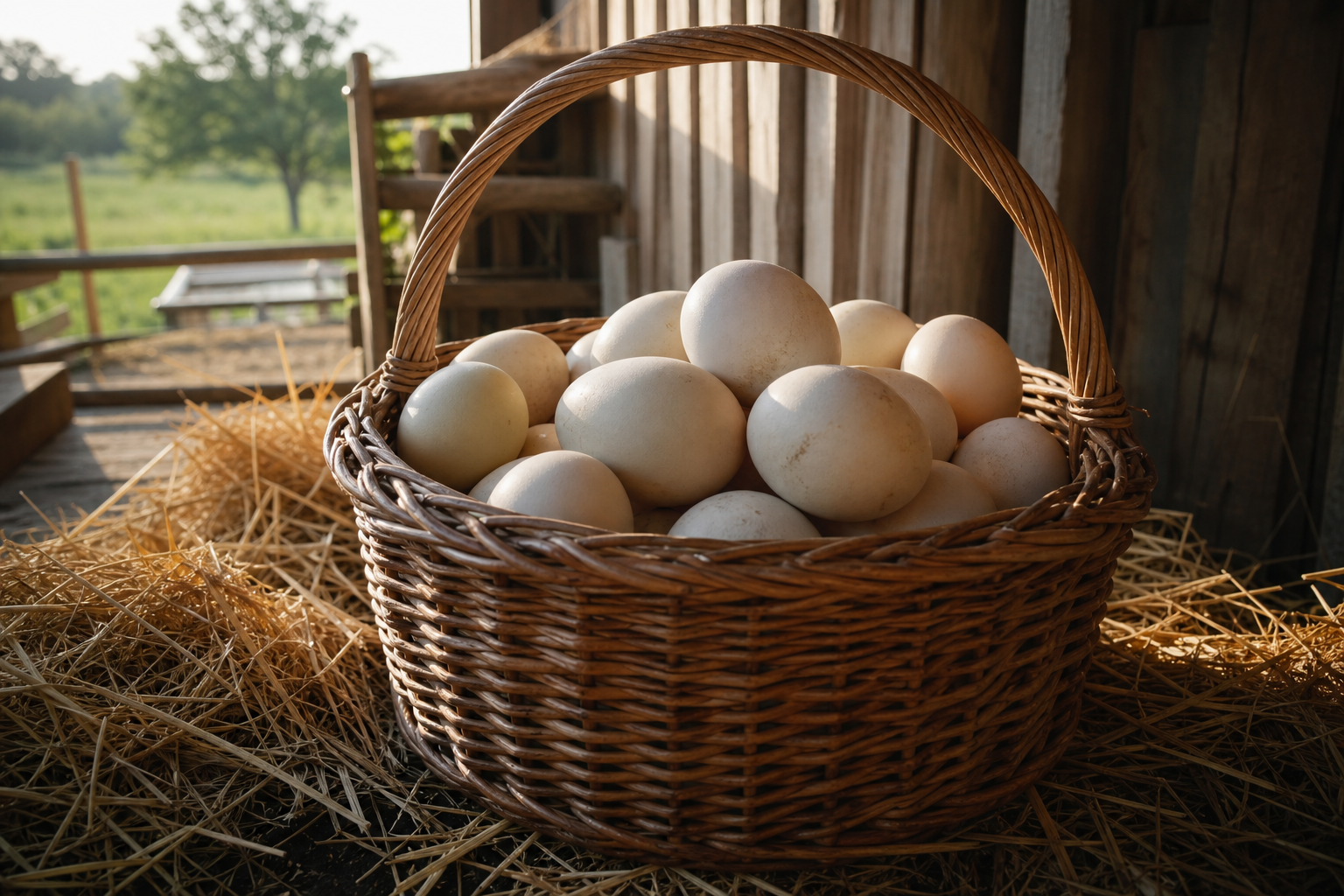
Duck eggs are larger, with a higher yolk-to-white ratio and a distinct richness prized in baking and traditional preserves.
- Size: noticeably larger than large chicken eggs
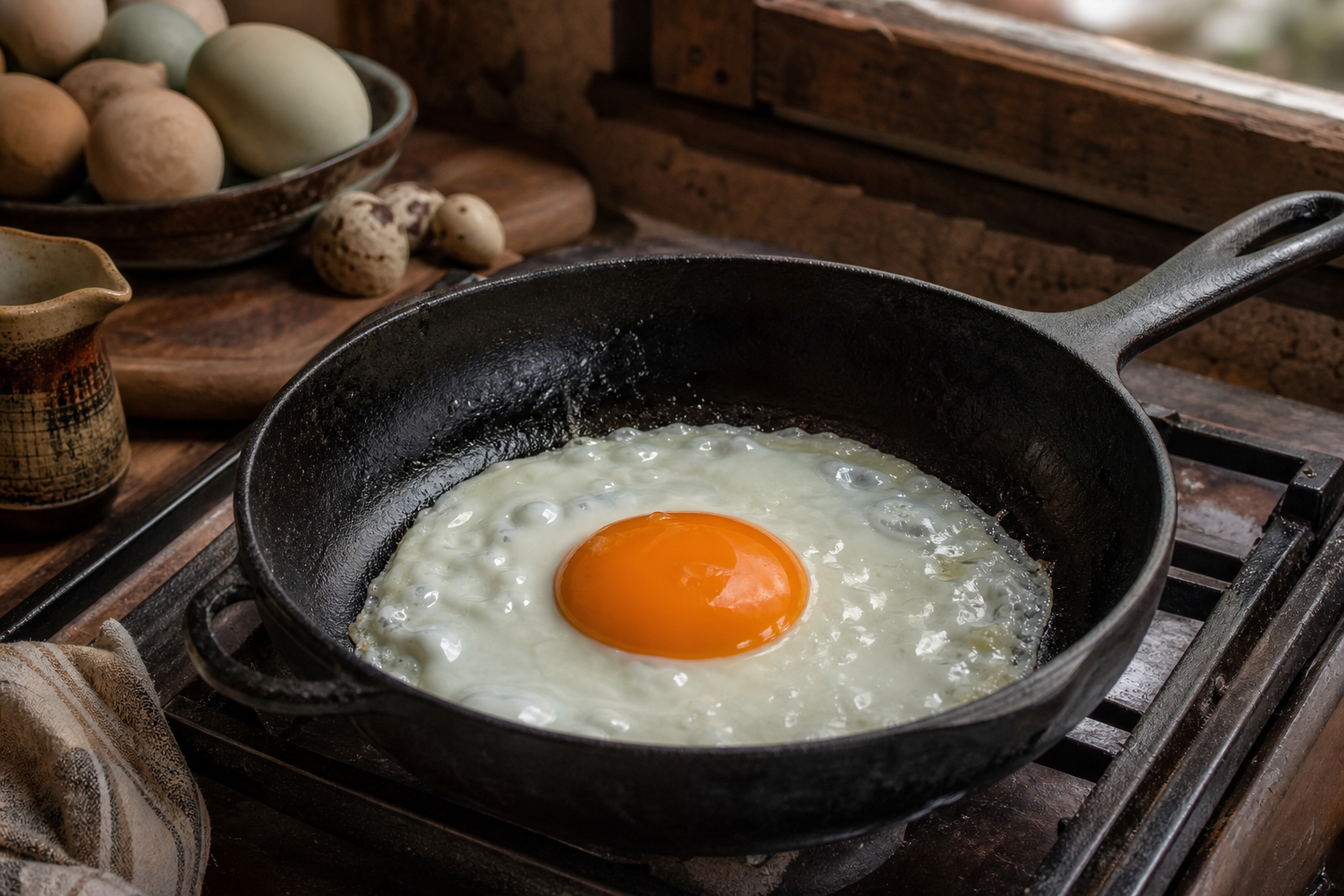
- Yolk: deep yellow to orange, higher fat content
- White: thicker — great for structure in baking
- Flavor: slightly richer; some notice a mild earthiness

Popular preparations
Salted duck eggs (itlog na maalat / 咸蛋)
Brined or salt-cured yolks are used in congee, mooncakes, stir-fries, and as a finishing salt for rice and vegetables.
Baking & custards
Substitute one duck egg for one chicken egg in many recipes, or use weight-based baking for precision. Custards and flans gain extra silkiness.
Broths & noodles
Duck eggs hold up well in hot soups and noodle bowls — a staple in many home and restaurant kitchens.
Locally available farm eggs: Availability varies by season. For current pickup options, please use the inquiry form — we respond to local requests personally.