Balut is a fertilized duck egg incubated for a specific number of days before cooking — most commonly enjoyed in Filipino, Vietnamese, Cambodian, and other Southeast Asian communities. For many families, it is not an exotic curiosity but a familiar street food, late-night snack, or shared meal tied to memory and home.
A food with deep cultural roots
In the Philippines, balut vendors are a familiar sight in neighborhoods and markets. In Vietnam, hột vịt lộn appears in similar settings. Cambodian communities know it as pong tia koun. The names differ, but the through-line is the same: a food that connects people to place, family, and tradition.

Our approach: We share this information to honor heritage and help curious neighbors understand the culture — not to sensationalize or mock a food many people grew up loving.
How balut is traditionally enjoyed
- Often served warm, with a pinch of salt, vinegar, chili, or herbs
- Shared casually — at markets, gatherings, or after evening errands
- Prepared with timing and temperature that experienced cooks know by feel
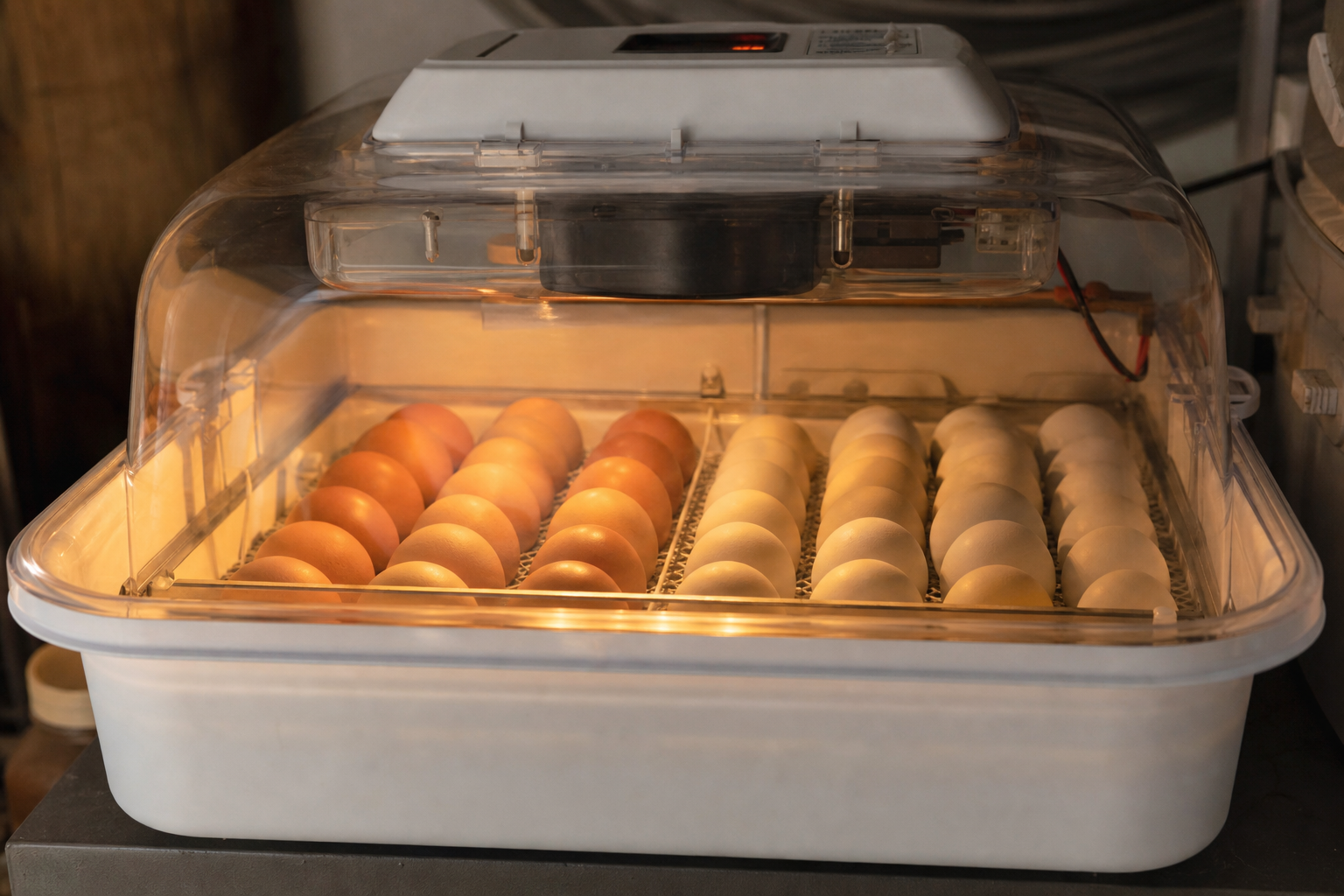
- Variations in incubation day (often around 14–18 days) affect texture and flavor
Incubation timing matters
The number of incubation days determines what diners experience — from mostly liquid with developing flavor, to more formed texture. Experienced producers work with consistent schedules families and restaurants depend on.
For locally sourced eggs with reliable timing, we welcome inquiries through our contact page.

Beyond balut: a wider duck-egg world
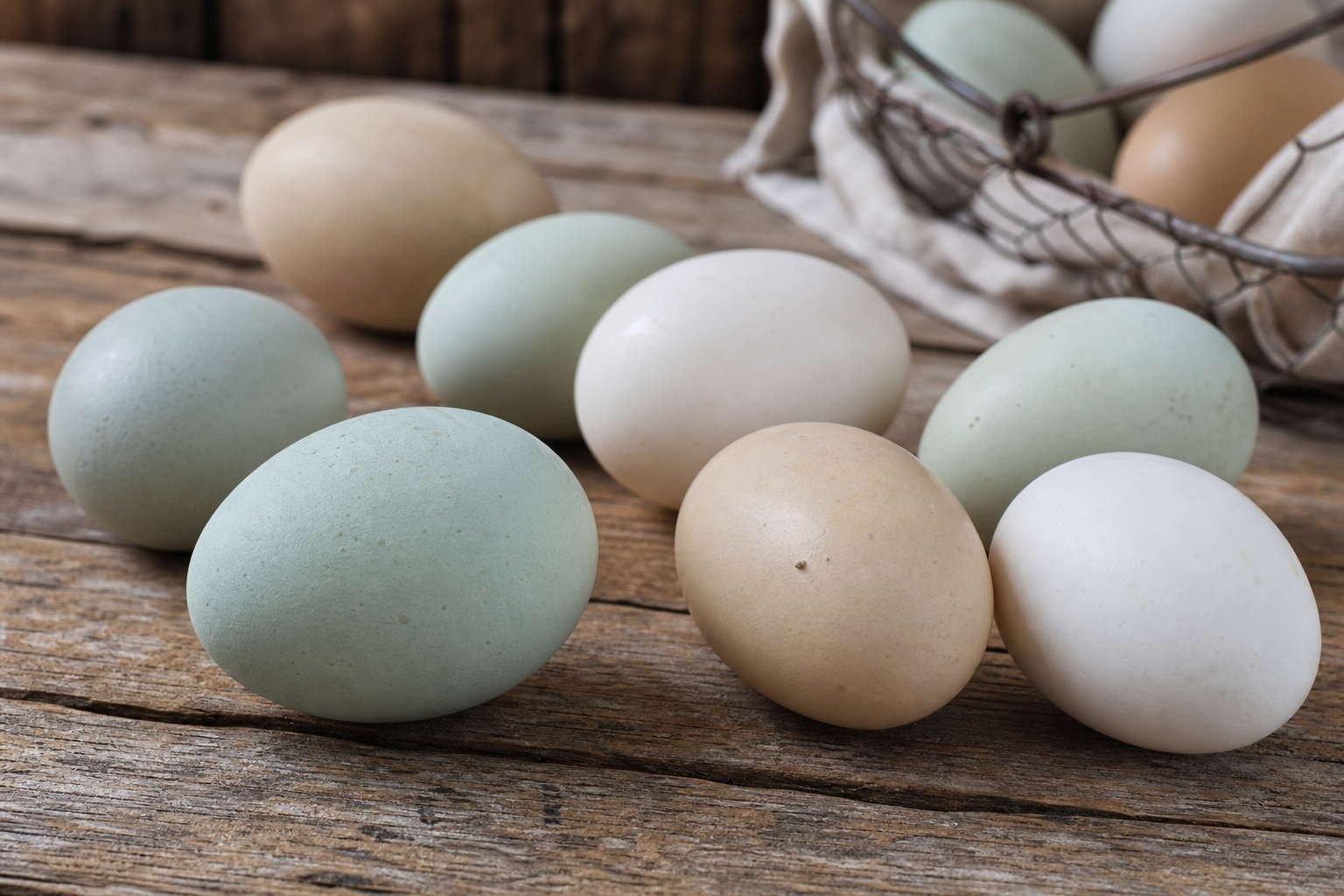
Duck eggs appear across many traditions — salted eggs, century eggs, baking, noodles, and broths. Explore our guides on duck eggs in the kitchen and raising ducks to learn more.